Free Waste Audit for Irish Businesses in Ireland: Find Hidden Savings in Your Waste Stream
Waste management is often treated as a necessary business expense. Bins are collected, invoices are paid, and waste areas are cleared when they become full. However, many businesses across Ireland are spending more than they need to on waste because their systems have never been properly reviewed.
A free waste audit for Irish businesses in Ireland can help identify where waste volumes can be reduced, where recyclable materials are being lost, where machinery could improve efficiency, and where better procedures could cut costs. It is a practical first step for any company that wants to improve recycling performance, reduce disposal pressure, and create a cleaner working environment.
At Compact, we help businesses across the island of Ireland turn waste challenges into more efficient processes. Through our Free Waste Audit, companies can get practical advice on equipment, recycling, compacting, baling, and waste handling systems tailored to their site.
Whether your business produces cardboard, plastic film, general waste, packaging waste, wet waste, or mixed recyclable materials, a waste audit can help you understand what is really happening on site and what can be improved.
What Is a Waste Audit?
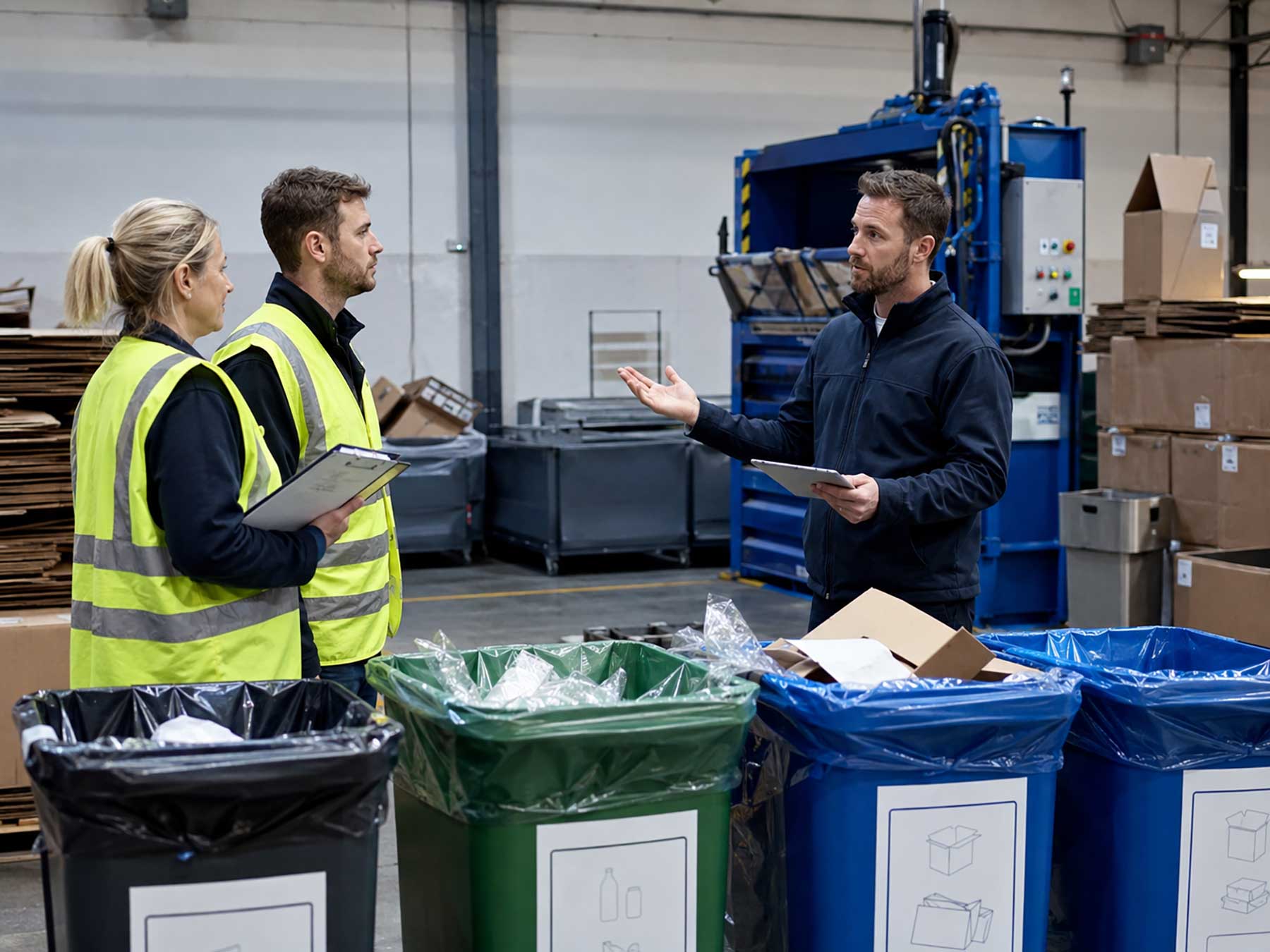
A waste audit is a structured review of how a business produces, stores, separates, handles, and removes waste. It looks at the full journey of materials from the moment they become waste to the point where they leave the site.
For example, a business may receive deliveries in cardboard boxes and plastic wrap. Staff may unpack the goods, flatten some cardboard, throw other packaging into general waste, and place plastic film into mixed bins. Over time, this routine becomes normal. But it may not be efficient.
A free waste audit for Irish businesses in Ireland helps identify whether materials are being handled in the best way. Are recyclable materials being separated properly? Is cardboard taking up too much space? Are bins being collected too frequently? Is plastic film being mixed with general waste? Could a cardboard baler reduce volume? Would a cardboard compactor or waste compactor improve operations? Could the business benefit from the We Buyback Bales service?
These are the kinds of questions a waste audit can help answer.
Why Irish Businesses Should Request a Free Waste Audit
Every business is different. A supermarket does not produce waste in the same way as a hotel. A warehouse does not have the same space restrictions as a small retail shop. A food producer may have wet waste challenges that an office will never face. A manufacturing facility may need industrial equipment that would be unnecessary for a small local business.
This is why generic waste advice is rarely enough. A free waste audit gives businesses recommendations based on their actual waste output, site layout, staff workflow, space, and budget.
For many Irish companies, a waste audit can uncover simple but valuable improvements. Cardboard may be filling general waste bins when it should be baled separately. Plastic film may be taking up space because there is no dedicated process for it. Waste collections may be happening too often because materials are not compacted. Staff may be unsure how to separate waste correctly.
By reviewing the current system, businesses can make smarter decisions and avoid investing in equipment that does not suit their site.
Reducing Waste Costs with a Free Waste Audit
One of the main benefits of a free waste audit for Irish businesses in Ireland is cost reduction. Waste costs are not always obvious. A company may see collection invoices, but it may not see the hidden cost of staff time, lost space, inefficient segregation, or unnecessary bin usage.
Cardboard is a common example. Loose cardboard fills bins quickly because it is bulky. If a business pays for regular collections while bins are full of uncompressed cardboard, it may be paying to remove air. A cardboard baler can compress that material into compact bales, reducing volume and making recycling easier.
General waste can create similar issues. A business may have multiple bins or skips because waste is not compacted at source. A compactor can reduce volume and create a more efficient collection process.
A waste audit helps identify these opportunities. It can show where machinery, separation, training, or collection changes could make the biggest difference.
Improving Cardboard Recycling Through Waste Audits
Cardboard is one of the easiest commercial waste streams to improve, but only when businesses have the right system. Without a baler or clear recycling process, cardboard may be thrown into general waste, left loose in storage areas, or stacked in loading bays until it becomes a problem.
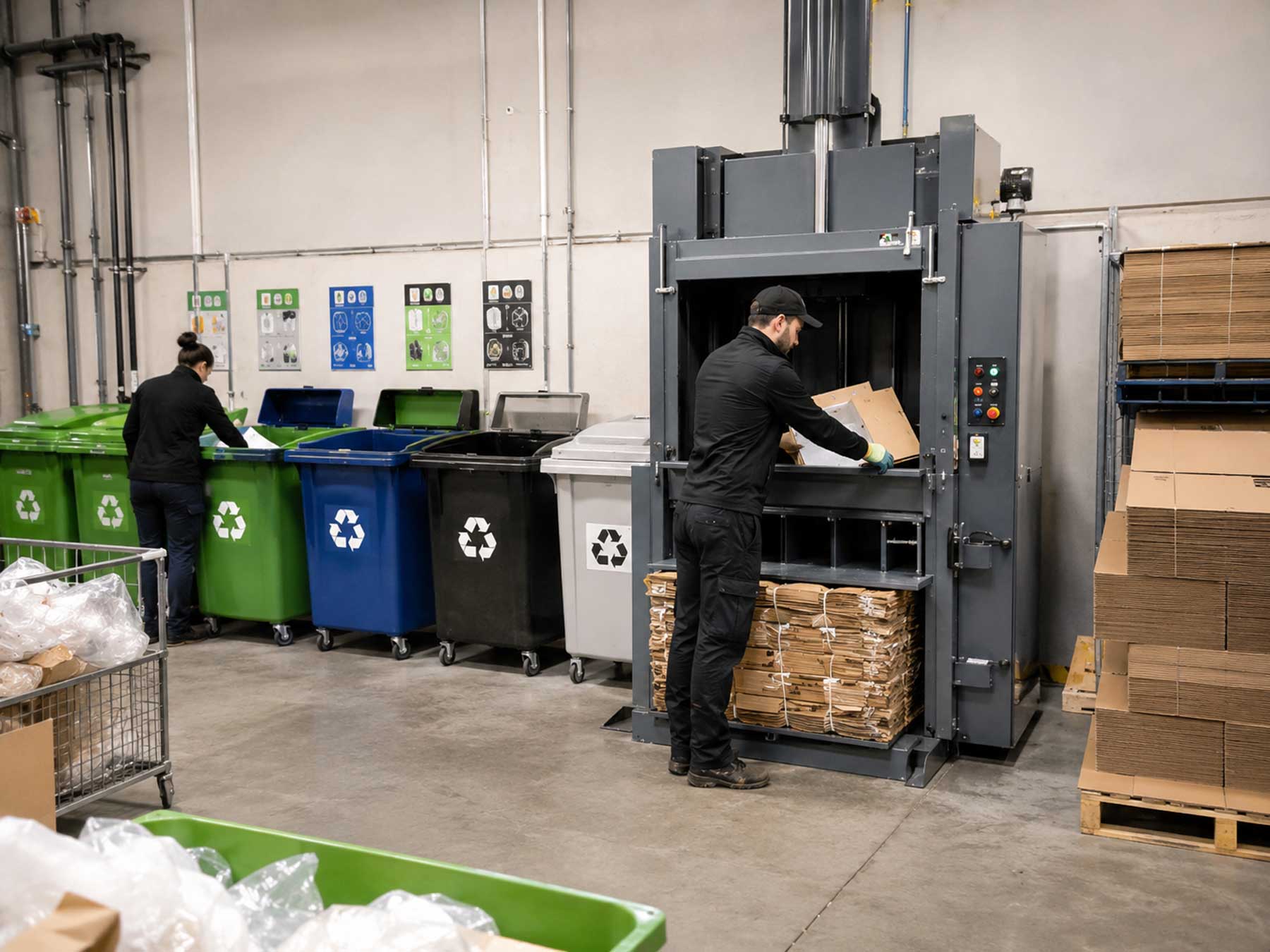
A waste audit can review how much cardboard is produced, where it comes from, how staff currently handle it, and whether baling would improve the process. For many businesses, cardboard balers are one of the most effective investments because they reduce volume, improve recycling quality, and keep waste areas cleaner.
Compact supplies both new and refurbished compactors and balers, giving companies flexible options depending on their budget. A free waste audit can help determine whether a smaller vertical baler, a larger baler, or a refurbished machine would be most suitable.
This prevents guesswork and helps businesses choose equipment based on practical needs.
Reviewing Plastic Film, Packaging and Mixed Waste
Cardboard is not the only material that should be reviewed. Many Irish businesses also produce plastic film, shrink wrap, pallet wrap, and other flexible packaging materials. These materials can be difficult to manage because they are bulky, lightweight, and easily mixed with other waste.
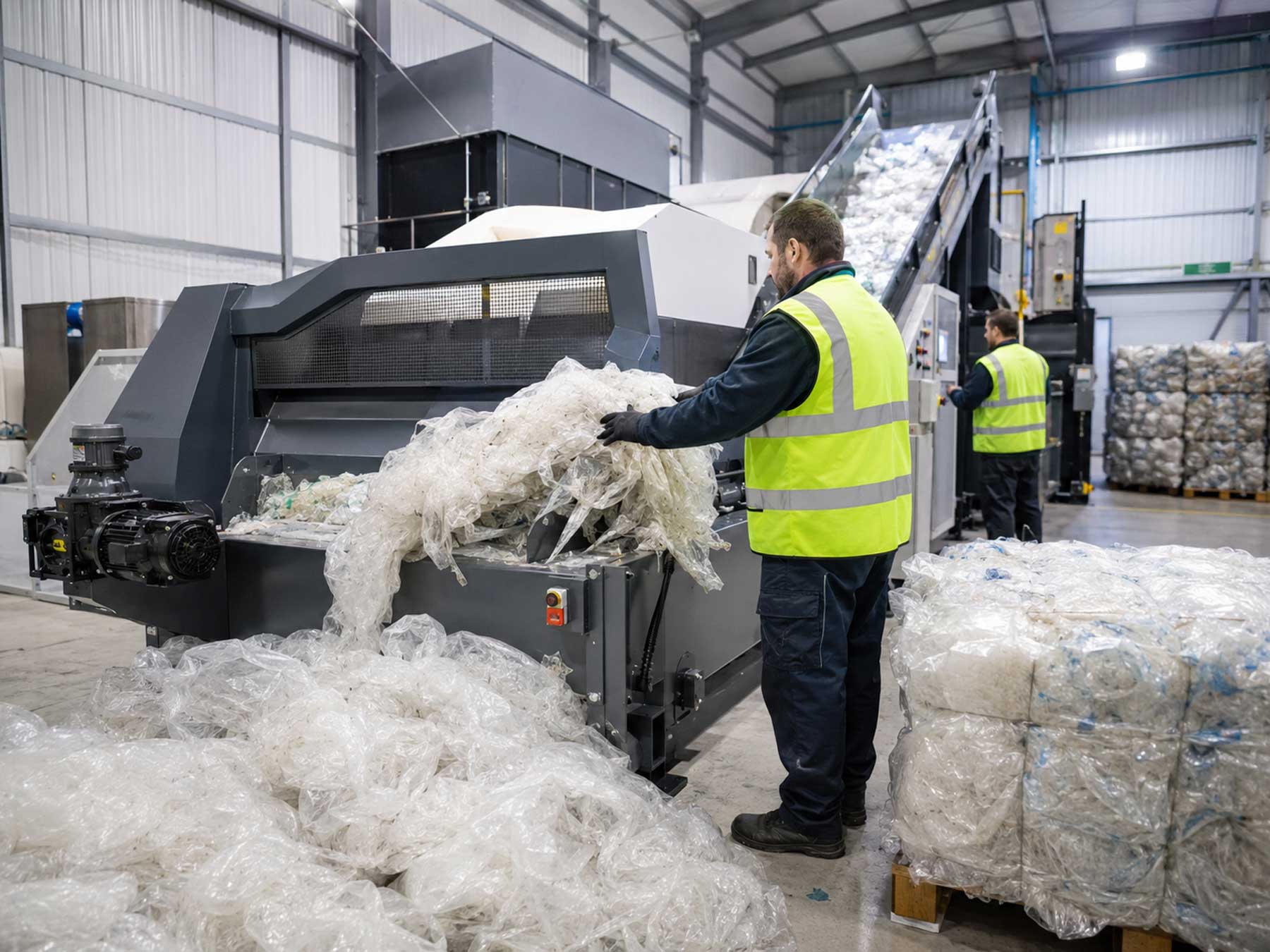
A waste audit can identify whether plastic film recycling equipment could help reduce volume and improve recycling. This is especially useful for warehouses, distribution centres, supermarkets, manufacturers, and businesses that receive palletised deliveries.
Mixed waste should also be reviewed. If recyclable materials are being placed into general waste, the business may be losing opportunities to reduce costs and improve sustainability. Better separation systems, clearer staff procedures, and the right machinery can make waste handling more efficient.
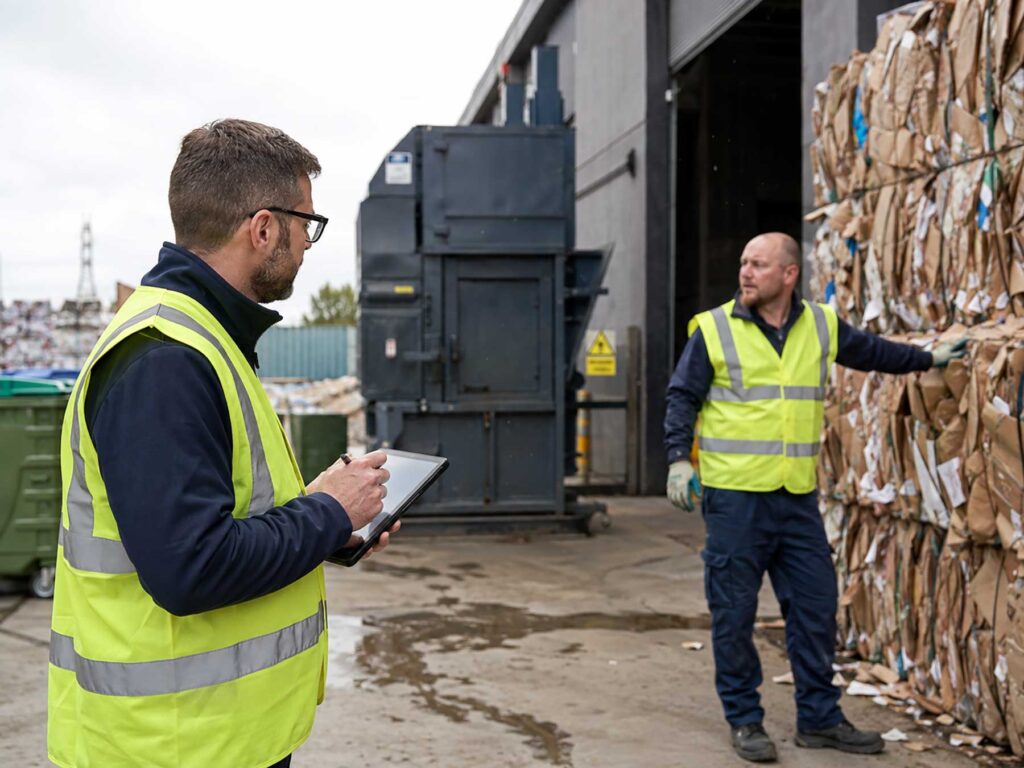
Waste Audits for Different Business Sectors
A free waste audit can benefit many different types of Irish businesses.
Retailers often deal with cardboard, plastic wrap, packaging waste, and general waste from daily deliveries. Supermarkets may produce high volumes of cardboard, plastics, food packaging, and mixed waste. Warehouses and logistics companies usually handle large quantities of pallet wrap, boxes, and shipping materials. Hotels and hospitality businesses may have limited space and need clean, efficient back-of-house waste systems. Food producers may require specialist solutions for wet waste or dewatering. Offices, schools, local authorities, and public facilities may need better recycling systems for cardboard, paper, packaging, and general waste.
Because every sector operates differently, the recommendations from a waste audit should be tailored. A small business may need one compact baler. A larger operation may need a combination of balers, compactors, plastic film recycling equipment, and staff training.
Compact’s role is to help identify the right solution, not simply recommend the biggest machine.
Turning Waste into Potential Revenue
One of the most interesting parts of waste management is that some materials may have value when they are handled correctly. Compact’s We Buyback Bales service helps businesses explore opportunities to turn compacted cardboard and recyclable materials into potential eco revenues.
This depends on the quality, volume, and type of material, but the principle is important: clean, separated, compacted materials are more useful than mixed waste.
A waste audit can help businesses understand whether they are currently missing value in their waste stream. Cardboard that is mixed with general waste has limited value. Cardboard that is clean, baled, and properly stored can be much more suitable for recycling and buyback opportunities.
For businesses that produce significant packaging waste, this can change the mindset from “waste as a cost” to “waste as a resource”.
Supporting Compliance, Safety and Sustainability
Waste management is not only about cost. It also affects workplace safety, environmental responsibility, and corporate standards.
Loose cardboard can block walkways, create trip hazards, and make storage areas untidy. Overflowing bins can cause hygiene issues, odours, and pest risks. Poorly separated waste can make recycling less effective and damage sustainability performance.
A free waste audit for Irish businesses in Ireland can help identify these risks and suggest improvements. Better equipment can reduce clutter. Clear separation systems can improve recycling. Staff training can make daily procedures more consistent. Service and maintenance support can keep machinery reliable.
For businesses with sustainability targets, environmental policies, or corporate reporting requirements, improving waste systems can provide practical evidence of progress.
Choosing Equipment After a Waste Audit
One of the biggest advantages of a waste audit is that it helps businesses choose equipment with confidence. Instead of guessing which machine might work, the company can make a decision based on real waste volumes, space, workflow, and objectives.
Some businesses may need a cardboard baler to reduce packaging waste. Others may need a cardboard compactor or a larger waste compactor for high-volume operations. Some may benefit from industrial shredders dewatering equipment if they handle wet or liquid-heavy waste. Others may require plastic film recycling equipment for shrink wrap and flexible packaging.
A waste audit can also help determine whether new equipment or refurbished compactors and balers would be the best fit. Refurbished equipment can be a cost-effective option for businesses that want reliable performance without the higher upfront cost of new machinery.
Why Choose Compact for a Free Waste Audit?
Compact is a trusted supplier of cardboard balers, compactors, plastic film recycling systems, industrial shredders, dewatering equipment, and refurbished waste machinery for businesses across Ireland. We understand that every business has different waste challenges, which is why our recommendations are based on practical site needs.
Our Free Waste Audit is designed to help companies reduce waste volume, cut disposal pressure, improve recycling, and identify better equipment solutions. We support businesses that want to rent or purchase machinery, invest in new or refurbished equipment, and improve their overall waste management process.
Compact also offers service, maintenance, and practical support so that equipment continues to perform over the long term.
Start with a Free Waste Audit
If your business is paying too much for waste collections, struggling with bulky cardboard, dealing with plastic film waste, or trying to improve recycling performance, a free waste audit is a sensible first step.
It gives your company a clearer understanding of what is happening on site and where improvements can be made. It can help reduce waste volume, improve staff procedures, identify the right machinery, and create a cleaner, safer, more cost-effective working environment.
To begin, visit Compact’s Free Waste Audit page or contact Compact to discuss your waste management requirements.